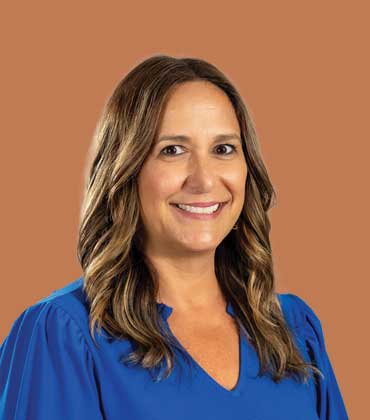
Beth McCalpin graduated from The Pennsylvania State University with a B.S. with high distinction majoring in Rehabilitation Services and a Minor in Psychology. She has been the Director of Social Services, Admissions, and the dementia unit at Garvey Manor Nursing Home in Hollidaysburg, PA, for the past 21 years. Through her education, experience, and dedication, she has promoted excellent quality of care using a person-centered approach and dementia best care practices.
Through this article, McCalpin highlights the challenges and negative impacts of the nursing shortage on long-term care facilities, especially those providing dementia care.
In the long-term care setting, quality dementia care incorporates a person-centered approach with an adherence to best practices. Strategic staffing is critical to selecting the most qualified individuals responsible for providing such care. Although it is a shared commitment assumed by several disciplines, nursing staff play an integral role. Unfortunately, our nation is facing a nursing shortage because of a decrease in nursing applicants and a decline in nursing program enrollment. This has intensified since the pandemic. The impact has been especially devastating to long-term care facilities, resulting in financial loss and a decrease in the quality of care provided. Those of us working in the long-term care arena recognize the benefits of dementia best practices; however, the nursing crisis has impeded our ability to promote these practices consistently and effectively.
Residents with dementia require more than just assistance with daily living. They need caregivers with patience, offering validation, reassurance and a listening ear. The rising acuity levels in long-term care has placed a higher demand on the nursing staff.
Environment is especially important for persons living with dementia. Many experience increased anxiety related to delusional concerns. Persons with dementia benefit from a smaller setting with structured programming. Cognitive, physical and sensory engagement provide residents with a purpose and can be helpful in decreasing symptoms of anxiety. Some residents with dementia exhibit exit-seeking tendencies requiring a secured setting. It is imperative that they feel safe in their surroundings while having the ability to explore. Families seek to place their loved ones in memory care units that offer such an environment. Unfortunately, many facilities have been forced to decrease census due to compromised staffing, resulting in the closure of specialized memory care units. Placement of residents with dementia on the general nursing units may put them at a higher risk for safety concerns and may result in increased behaviors as well as falls.
Another best practice that has been impacted by the nursing shortage is in education. Continuous dementia training is imperative in equipping staff with the necessary knowledge and tools to succeed. Many facilities find themselves operating short-staffed or at the minimum level. Unfortunately, with the compromised staffing, it is difficult to cover shifts to schedule staff to attend trainings. The day-to-day operation is the immediate goal, with education often taking a back seat.
Residents with dementia require more than just assistance with daily living. They need caregivers with patience, offering validation, reassurance and a listening ear. The rising acuity levels in long-term care have placed a higher demand on the nursing staff. They often find themselves struggling just to meet the physical needs of the residents, let alone the psychosocial, emotional and behavioral needs. Unfortunately, many will experience burnout, often at the expense of the residents.
Providing a regular routine and consistent caregivers is essential when caring for people with dementia. With the lack of adequate nursing staff, facilities are forced to contract with staffing agencies. This can be counterproductive to the efforts of best practices. Residents lose their sense of security when the caregivers are unfamiliar. Agency staff often do not have an opportunity to learn about the residents or build a rapport. This makes it difficult for them to validate, reassure and redirect residents with dementia who may exhibit mood or behavioral issues.
These are only a few of the dementia best care practices that have been impacted by the nursing shortage. Unfortunately, as we navigate this crisis, the number of people diagnosed with dementia every year is growing at a substantial rate. The American Nurses Association is working to address the issue and has called on lawmakers to act. In the meantime, organizations must find creative ways to recruit, select and retain the most qualified nurses amongst fierce competition. As long-term care providers, we must always strive to provide the highest quality of care and services for our residents.